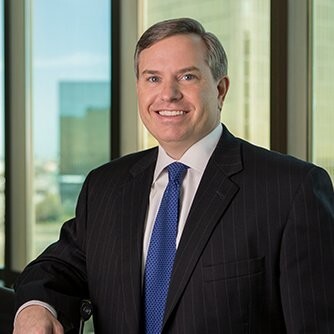
Hidden Compliance Complexities That Could Cost You Millions
Gift cards seem simple, but in aesthetics, they can create serious legal and financial risk. Michael Byrd and Brad Adatto highlight how something as small as a gift card can trigger complex state-by-state regulations, healthcare compliance issues,...


Gift cards seem simple, but in aesthetics, they can create serious legal and financial risk.
Michael Byrd and Brad Adatto highlight how something as small as a gift card can trigger complex state-by-state regulations, healthcare compliance issues, and impact a practice’s valuation. One example: $250K in untracked gift cards turned into a $1.5M hit during an acquisition.
They discuss why med spas aren’t just retail—they’re medical practices—and why that distinction changes everything, from how revenue is handled to how patients are treated.
They also share the risks behind prepaid services, memberships, and popular trends like peptides, where practices may unknowingly violate state laws or medical board rules.
Learn more about ByrdAdatto Healthcare Business Attorneys
GUESTS
Michael Byrd
Partner at ByrdAdatto, Michael Byrd advises healthcare and aesthetic practices on legal strategy, compliance, and growth, helping them navigate complex regulatory landscapes.
Brad Adatto
Brad Adatto is a partner at ByrdAdatto with decades of experience guiding medical practices through business law, compliance, and operational risk in the aesthetics industry.
Host
Robin Ntoh, VP of Aesthetics
Nextech
Questions Answered in This Episode:
- Are there federal laws governing gift cards, or is it all state-level?
- How do state gift card laws differ, and what happens in multi-state practices?
- Why are gift cards considered a compliance risk in a medical setting?
- What is "unearned medical revenue" and how can it trigger a medical board complaint?
- How do unredeemed gift cards affect a practice's valuation during a sale?
- How do membership programs differ legally from gift cards?
- What percentage of med spas understand their gift card compliance obligations?
- What is the "5-50 Rule" and why does early legal counsel save money?
- What is "compliance drift" and how does it happen to otherwise compliant practices?
- What are the top situations when a practice should call their attorney first?
- What are the legal and regulatory risks of adding peptides to a practice?
- What triggers a medical board investigation — and who actually reports practices?
Presented by Nextech, Aesthetically Speaking delves into the world of aesthetic practices, where art meets science, and innovation transforms beauty.
With our team of experts we bring you unparalleled insights gained from years of collaborating with thousands of practices ranging from plastic surgery and dermatology to medical spas. Whether you're a seasoned professional or a budding entrepreneur, this podcast is tailored for you.
Each episode is a deep dive into the trends, challenges, and triumphs that shape the aesthetic landscape. We'll explore the latest advancements in technology, share success stories, and provide invaluable perspectives that empower you to make informed decisions.
Expect candid conversations with industry leaders, trailblazers and visionaries who are redefining the standards of excellence. From innovative treatments to business strategies, we cover it all.
Our mission is to be your go-to resource for staying ahead in this ever-evolving field. So if you're passionate about aesthetics, eager to stay ahead of the curve and determined to elevate your practice, subscribe to the Aesthetically Speaking podcast.
Let's embark on this transformative journey together where beauty meets business.
About Nextech
Industry-leading software for dermatology, medical spas, ophthalmology, orthopedics, and plastic surgery at https://www.nextech.com/
Follow Nextech on Instagram @nextechglow
Aesthetically Speaking is a production of The Axis: theaxis.io
Theme music: I've Had Enough, Snake City
Announcer (00:06):
You're listening to the Aesthetically Speaking Podcast, presented by Nextech.
Robin Ntoh (00:12):
Hi everyone. Welcome to Nextech Aesthetically Speaking, and I am Robin Ntoh, our host today, and I have two guests with me here today, and we are live at Edge 2026 our user conference. I have the duo here, Byrd and Adatto, and excited that they're here. So I'm going to let you guys introduce yourselves. Tell our listeners a little bit about you and your firm.
Michael Byrd (00:34):
I'm Michael Bird. I am one of the partners at ByrdAdatto. ByrdAdatto is a national business law firm for healthcare practices.
Brad Adatto (00:45):
And I'm Brad Adatto, the Adatto of ByrdAdatto. And like Michael, we've actually almost been practicing together for what? 25, 30 years now, which is crazy.
Robin Ntoh (00:55):
You finish each other's sentences?
Michael Byrd (00:57):
We do.
Robin Ntoh (00:57):
Well, that's good. That's good.
Brad Adatto (00:59):
We're excited to be here. This has been really cool conference so far.
Robin Ntoh (01:01):
I'm so excited you're here. And I think this is your first year. This is year number 12 for us. So excited that you're here. Actually, it's been exciting to see where in this arena we have introduced this concept of being compliant. And for so many years, I would attend trade shows and I would be speaking and it was always marketing, marketing, marketing, and never really any emphasis in the aesthetics arena on where do we think about compliance and regulatory. And I mean, let's face it, it's been the wild, wild west. But usher in med spas and usher in all of the extracurricular that comes with that. And I think we're starting to really see where practices hopefully are starting to lean in and think about what does the implication of this mean for me? How do I actually make sure that I am compliant in a lot of ways?
(01:58):
One of the things that I find interesting in this arena is 50 states, 50 different types of laws and lots of regulatory out there. And not necessarily a lot of people are held in check because the states pass laws, but they don't necessarily always have the means to enforce them. But at some point you would expect that they would be enforced. So let's talk gift cards. Okay. Gift cards to me is maybe small and insignificant in some worlds, but in a lot of places we find that, especially in these med spas, where people are really thinking about gift cards is managing a way to provide opportunity to their patients. So let's talk about gift cards.
Michael Byrd (02:45):
Okay. So it's really interesting. It's a great example of kind of the overall problem you said that used to be where there was just this wild west. I think it's mostly born out of ignorance that most businesses are not heavily regulated and medical practices are. So gift cards are deceptively complicated. So they kind of live in this gray space of you have gift card laws that are written that actually regulate what have to happen with them. You have healthcare laws that come into the mix and then there's kind of operational risk on how you implement them that can affect a practice.
Brad Adatto (03:35):
Yeah. And I think most people don't realize that these obstacles exist. You have a lot of different states or a lot of different rules, and they see gift cards as another means from a marketing perspective or driving people in. They don't realize they're opening themselves up to a whole bunch of different rules they weren't aware of. And then how they then will process those gift cards once they start issuing them.
Robin Ntoh (03:58):
Are there any federal laws around gift cards or are they just all state?
Brad Adatto (04:02):
Great question. There is a federal law out there on gift cards that federal law talks about certain disclosures that are required and that if you do have gift cards, there's a five-year minimum in which they need to be. So if you issue it, it needs to basically say a lie for five years. Now, that's the federal rule. And where practices get in trouble though is they just go, "Oh, everything's five years." That's what they hear. What they don't do is pivot and go, "Well, that is the federal rule, but what does your state say?" And the way it works is your states actually control that. So if a state has a longer timeframe or an indefinite timeframe or disclosure requirements, you have to add that to your understanding of what you're doing in that particular state. So for example, basically New York, it's a nine-year window, right?
(04:51):
Or other states like Texas, it's five years, but you also need to then disclose it as to how long. So a lot of people don't even think about like they're issuing a gift card, which is sometimes it's a piece of paper. All these disclosures need to be on that so that the patient realizes it's going to expire and it says so on the gift card.
Robin Ntoh (05:11):
So you mean these practices that get the little tiny ones like the credit card size ones, which are cute and they want it to look aesthetically pleasing, it's supposed to have all of those disclosures on it.
Michael Byrd (05:23):
In some states. Yes.
Robin Ntoh (05:25):
In some states. Okay.
Michael Byrd (05:26):
And then just to make it even messier, we're in Florida right now, you can't have an expiration in Florida. And so think about, well, an easy example, a multi-state practice. And with menspaws, that's really common. So you say, we'll just pick Texas and Florida to use that example. And let's say in Texas, they originate there and you have all the things Brad just talked about. You have it displayed on the gift card, you have the five-year limitation. And then when you open your Florida office, you do the same thing. Well, all of a sudden you're now out of compliance because Florida has a different rule than Texas. And then take that to these places that are in multi-states and how complicated that could get.
Robin Ntoh (06:19):
You took the words out of my mouth. I was sitting here thinking the complexity now, if you're in multiple states, how does that transfer across state lines?
Brad Adatto (06:29):
Yeah. And those are the questions we get on that. If there are multi-states, well, which one do I have to follow? And so sometimes they customize it for a particular state because they don't think patients will go from state to state. Other times we say, "Well, let's look at in these states, what are the most restrictive aspects of each state and then develop it based off that? " So to Michael's example is then it would probably need to be indefinite, but you still need to do the disclosures on the gift card. Again, just because one state requires it, it's the minimum standard. You can go above and beyond. That's just like the federal rules that you can go above that, but it doesn't have to be that way. And so it's easier, as you can imagine, if you're in one state and you customize each one, but then what happens to Michael's example, that patient then decides to move it to California and they want to honor that same gift card.
(07:18):
And so that's definitely an area we see, especially as practices grow and they try to find new states to go jump into.
Robin Ntoh (07:27):
Are they required to disclose that there ... Is there a cash value? Are there certain restrictions around how they think about this from a commodity?
Michael Byrd (07:40):
In a medical practice, these are potentially prepaid medical services or could be either that way. Now, a medical board doesn't care about anything we just talked about. A medical board cares about patient safety, and so you can have a fact pattern that comes up where that all of a sudden is viewed in that way. So think of, as an example, let's say someone wants to get a mommy makeover and they've started getting gift cards to work towards that day and they're super excited. They've got gift cards from different family members at the place that she wants to go and then books the case and is going to do the case, but then medically it's not appropriate or BMI is not right, she has to cancel. And then she says, "Well, then I want to cash in my gift cards." And the practice is like, "Well, sorry, we don't cash into the gift cards." Patient gets angry, reports them to the medical board.
(08:43):
Medical board is going to look at it through the lens of unearned medical revenue, not gift card, and then you have an unprofessional conduct allegation that you're defending in that circumstance. And a lot of times, to be fair, we're talking about not lose your license type risk, but we do have stories of Medical Spa in North Carolina that closed down and doctor had years of issues following ... It was actually a cancellation fee, similar from the board's perspective to a gift card, that it was like the first string that got pulled and the board sort of looking at everything else and-
Brad Adatto (09:32):
That's a Pandora Box moment. And something that Michael said, and I hope that the practice understand that, is from going back to risk if you do have this, is that unearned income can become a big issue from the financial perspective. And it's the question of like, where does that money sit? How are you accounting for it? I mean, we've seen situations, especially in the situation where, as you know, a lot of these med spas are trying to build up a brand that then is eventually sold. Well, they're selling a lot of gift cards. There's a liability that they need to account for and it could actually impact the actual overall valuation because if you have 100,000, $200,000 of gift cards sitting out there for the next eight years, five years, depending on your state, that's going to impact the valuation because that's a liability you're supposed to be carrying on your books.
(10:19):
And a lot of them don't realize that. And to Michael's point, which is, well, when do they execute it? Well, if they don't ever execute it, eventually it could expire, again, except here in Florida. And then if they do execute it, let's just pretend they bought a laser and now that laser no longer works and you're not planning to replace it. Well, what do you do with that particular procedure? Or the provider that was there is no longer there that's going to render those services because you were doing these certain services on that gift card and you're not offering it because the person's out there, they're trying to execute on it and you can't then do it. So we're not saying, by the way, anything against gift cards, it's just understanding the risk associated with it and building around good policies to understand what are you about to get yourself into.
Michael Byrd (11:03):
And I have a real story of a deal and it was a single location sale, but it had a pretty healthy business and a pretty large purchase price, but they unknowingly were not listing their gift cards that were about 250,000 that were out there on their balance sheet. And it did come up in, they had an LOI for a big multimillion dollar purchase and they were getting six times EBITDA as a sales price.
Brad Adatto (11:34):
Is that good?
Michael Byrd (11:35):
Yeah.
Brad Adatto (11:36):
Okay.
Michael Byrd (11:36):
It's very solid. Nice. And so in due diligence, it was discovered. Well, the 250,000 liability that wasn't there is an adjustment. So that's a $1.5 million adjustment to their purchase price.
Robin Ntoh (11:52):
Wow.
Michael Byrd (11:52):
And so you have a financial issue, but the lawyers also had an expectations issue to deal with because the seller all of a sudden is getting $1.5 million less or being told if you want to close this. And so that deal actually did close, but there was a haircut involved and it was painful.
Robin Ntoh (12:11):
Oh, I'm sure it was. I never thought when we started this conversation about gift cards, there was so much complexity and risk. It makes one ask the question, why even offer gift cards? Because practices consider this to be a great way to generate new patients. You buy a gift card or an easy way for a significant other to purchase a gift without it insinuating you need Botox. I'm not going to buy you Botox. I'm going to buy you a gift card. It feels better to give a gift card and it makes sense. So from their perspective, it seems so easy as an offering. In fact, when I think about where software steps into this, aesthetic services are a lot of times are prepaid services, especially in the non-surgical world. We think about those packages, a leisure hero package, you need four or five treatments. So they pre-sell or they sell them as treatments that are prepaid.
(13:12):
And so that becomes what we consider unapplied money, which is a liability on the books, but it sits in the system as unapplied money as it should. And they generally don't pay providers until the services are rendered because again, a provider could change, they could leave the practice or for whatever reason you could pay a provider on it before services are rendered, then the services are never rendered either. So there's many ways that software handles this, but one creative workaround that we've seen in practices, so convert that unapplied money into gift cards thinking there's no risk.
Brad Adatto (13:49):
Yeah. Well, and understand something. I mean, it's a good point, especially with the aesthetic practice, that are cash base. Before the patient pays that money, some physician, nurse practitioner, PA, they conducted what we call a good faith exam in the industry that that person's a good candidate for those services, right? So Michael comes in and they say, "All right, Michael, you're a good candidate for these five or six services." Then Michael pays at that moment. Now, it could be that they have to carry that he's paying it each time or he paid advance, but he's at least been cleared. With a gift card, we don't even know if Michael's a good candidate for that service yet. So someone goes and buys Michael a gift card and Michael comes in, they're like, "No, based on A, B, and C, you're not a good candidate for the service. So now we're back to what do you do with that gift card?" So that's kind of that moment in time where it shifts.
Michael Byrd (14:38):
And I would say this, that question you asked is like, it begs the question, should I even do it? It's fair if you look at almost anything and how aesthetics or medical prices are regulated, you could come to that conclusion.
Robin Ntoh (14:51):
True.
Michael Byrd (14:52):
You're in the business, you're in the game, and so how do you navigate the game? And so there's kind of two measures. One is set yourself up to protect yourself and then have a strategy to navigate it, to avoid these situations. And the ones that do that are successful and you don't hear of gift card risks. And so the strategy side might be, am I really going to have this patient turn me into the medical board instead of cash this out and mitigate risk? And then of course the protection side is designing the disclosures and the policies around it to be in line with your state.
Brad Adatto (15:37):
And we see this, by the way, plastic surgeons and dermatology practices that also have some version of that. I mean, I think sometimes they'll be like, "Oh, coming up in November, we're going to have a two-day sale where you can come in and buy certain surgical services at a discount or non-invasive service at discount." And so again, they still have to carry all those things on their books. So we're not saying don't do it. It's the idea of then what do you do with that funds? How do you track it? And then as you start having dermatology practices, they're used to the world of commercial payers. The moment they add the med spa piece, you have to be very careful as to then what are you doing with a gift card and how can they utilize that gift card in a practice that's taking commercial payers and cash.
(16:22):
So those are the kind of things they need to think about because you don't want someone to come in and say, "Oh, I want to use this for my copay," maybe that you're allowed to or maybe you're not allowed to, or is that something you disclose ahead of time?
Robin Ntoh (16:32):
So is it the concept that it's called a gift card and that it's, you're exchanging money, cash for something in the future may or may not happen. How does that transition to something like a membership?
Michael Byrd (16:50):
It's a great question. So calling up the gift card, all that does is bring in the gift card laws. So for a membership, those laws are not likely to apply, but it really is the same analysis of risk from a healthcare perspective, from a medical board perspective. Now, I mean, we design membership programs all the time and there is kind of membership-like programs which are not really prepaid medical services. It's kind of pay some low amount, you're going to get some benefits, maybe some discounts and retail stuff. And then there's the more robust membership programs where you're going to get to use your benefits towards actual medical treatments and that very issue does apply in that sense. So then you have to design your membership agreement, all the same things of like, well, what happens if the patient's not cleared and they've paid all this money? And then the flip side is, is even if they've been cleared and they're paying $250 a month, but they got a $1,500 treatment and then they cancel, what are you going to do about that? That's less a board issue and more of a business strategy.
Robin Ntoh (18:12):
Yeah. When you work with practices ... Well, actually, let me back up and ask this question. What percentage of med spas actually even consider this? I mean, one of the times, we had a conversation once about your 550 rule. What percentage of your practices or practices that you've talked to that have come to you after the fact or what you've learned in the industry actually even have any concept or understanding of what gift cards mean from protecting their business from putting those disclosures out there?
Michael Byrd (18:45):
I'll say this, and it probably is even extended beyond gift cards is just to the awareness of this regulatory landscape. It's gotten better. So in 2018, our litmus test of just how unaware was by the number of tiers produced on phone calls. And we would have these conversations and there would be tiers. We don't have that happen very often anymore.
Brad Adatto (19:12):
Yes. So what we're hearing is he was just mean to people.
Michael Byrd (19:15):
No, I was very nice. I just virtually giving them a tissue.
Robin Ntoh (19:19):
Virtually tissue.
Brad Adatto (19:20):
Well, and you said something which I love is the 550 rule, which is generally speaking, if you do something right by engaging someone ahead of time, attorney, CPA, consultant, whoever, you're going to pay them $5. Where it gets in trouble is you didn't do it correctly and now they're trying to clean it up. So we call it the 50. So $5 up front or $50 on the back end. So it's going to be a lot harder to kind of chase it. And it's funny because to Michael's point, we've been talking for a while now in this industry and we would say things like GFE and people would like, "What's a GFE?" And they're like, "Good faith exam." They had no idea what we're talking about. Today when I was at my table talk and I said GFE, 99% of the people knew exactly what I was talking about. So the industry, going back to keeping up, I mean, that's why people are hopefully here for the educational aspect
(20:09):
And learning about what's going on in the industry and talking obviously, hopefully others about best practices, that's shifted because the more people realize, especially in the med spa space, it is the practice of medicine. There are rules they're going to have to follow and I'm aware of them now. So words like CPOM, corporate practice and medicine, when we first started talking about people that had no idea that that even existed, now it's very rarely do we actually have to, they don't know about. They're actually calling us saying, "I have a CPOM issue and I need an MSO." And they already know because the education is so strong out there. So that's been a shift, which I think is great for the industry, them understanding those aspects.
Michael Byrd (20:45):
And I'll add for anyone in the audience that's having a panic attack right now that you asked the question, most of our client-
Robin Ntoh (20:52):
It's a virtual tissue.
Michael Byrd (20:53):
Yes, exactly. Most of our clients that come to us are coming to us because they somehow come to the conclusion that they're not doing things correctly and they want to fix it. And so there are exceptions, new clients that are wanting to start the right way. But I mean, if you're in business, in a healthcare practice, you have some mess compliance wise. It's just like, we always talk about compliance drift. You can be perfectly compliant on one day and you can focus on your generating revenues for three months and you're going to have something that's kind of messy that has happened.
Brad Adatto (21:30):
And on that note, which is support, we hear the, remember the game where telephone, you whisper something in someone's ear and then they keep going? What happened in the med spa industry, even in the wellness industry is someone had a compliant med spa. They had an employee there that thought they understood how they structured it. They left and they were about 98% compliant and then someone left that place and cut this X corner and the next person left and started their own. And what happened was they got diluted so much by the time the third or fourth person went to start their own place, they had no idea how non-compliant because that's how everyone in the industry was doing it. And there's a term that we often talk about is, especially startups, someone's starting something up, we call it pirate mode. Pirate mode is like, you have your one ship and you're just trying to get out there and sail and you're just trying to take care of things and there's no process. There's no policies. You're just out there. Well, if you're-
Michael Byrd (22:24):
Going fast and breaking things.
Brad Adatto (22:25):
Yeah, going fast and breaking things, right? Well, if you want to get to a point where you're successful, eventually you have to go into what we call Navy mode. Navy mode is when you stop and you're like, "I'm trying to build a Navy here and to do that, I'm going to have to slow things down." So going back to your question, that's when sometimes they reach out to us, "Hey, I've been running this business and I think I'm not compliant. I need to fix things so I want to grow successfully." And again, CPA, consultant, attorney, whatever it is, and they realize that for them to grow successfully, they're going to have to stop and pause to build that Navy correctly.
Robin Ntoh (23:00):
Right.
Michael Byrd (23:00):
And it's not just compliance and when they're in that mode, they just don't have a system. They've been trained to provide these medical services to patients and that's their focus. They want to keep the lights on. And so all the basic business principles that you would want to have, which includes compliance, but also includes any other systems within a properly run business.
Brad Adatto (23:28):
And we're not saying that the pushback we get is like, I'm very safe, I'm well trained and it's never a question of that you're unsafe. We're just trying to tell you there's certain things that you have to follow because you're in the medical world and if you follow these steps, you're safe. I mean, again, you might drift out of compliance a little bit, but what's the main issue? The main issue typically is patient safety, right? That's the first thing your boards are going to look for, your nursing board or your medical board. So we need to prove that you're doing it safely and following the exact protocols of your particular state. And that's the part where, again, going back to complying shrift is they were set up perfectly and they added a new service line and didn't realize that they shifted. And with that shift is a big change in how you clear patients appropriately or whatever it is from that perspective.
Robin Ntoh (24:14):
Let's talk about that for a minute. When they do add a new service line or a new device perhaps, a lot of people think about the must dos, setting up the schedule to manage that new service line because you have to do it to make the schedule work for you. But to that point, they know to do things like that. Then let's think about the other things like common sense says a consent, right? Yeah. Patient education, but do they ever go back and check for the other compliance issues or that could become issues, the compliance laws?
Michael Byrd (24:52):
I have a real world example from last week, and this is a client that I talked to every single week, plastic surgeon. So he could have, at any point, just on one of our weekly calls, said, "I'm thinking about buying this new device." He bought a new device.
Robin Ntoh (25:11):
And these are expensive devices. Yes. When we say device-
Michael Byrd (25:14):
Six figures, Yes.
Robin Ntoh (25:15):
Right. They're expensive.
Michael Byrd (25:17):
And it's a live medical device, but it's medical. And his goal was to have his aesthetician perform the device. And so when they were talking to the sales rep, the sales rep said, "Absolutely, we'll train the esthetician. They can do it. " And the sales rep doesn't know that that is a true statement in a state like Texas, but in a state like California, only RNs or higher can be delegated medical treatments. And so that's where we were in the story last week, which is the realization that he had a really expensive coat rack because his aesthetician can't perform the treatments and he didn't have a suitable RN or hire for this particular treatment.
Robin Ntoh (26:06):
That's where I think that the opportunity is for people like yourselves, as attorneys, to really help these practices understand, why would I pick up the phone and call my attorney if I'm going to buy a device? And to your point, you talk to this physician every week, it didn't even dawn on him that he should ask you that question, but these are the things that are really part of this arena that we just don't think about.
Michael Byrd (26:35):
And you think about the 550 rule on this example, and the 50 is the six figure device that is out there.
Brad Adatto (26:43):
And or now the new expense that he's going to have to go find an individual that was not part of the budget because he already has an employee. So that changes the P&L all sudden.
Michael Byrd (26:53):
And this is a five-second conversation.
Robin Ntoh (26:55):
Exactly.
Michael Byrd (26:56):
Anybody on our team could have answered that off the top of their head. No, you can't do that.
Brad Adatto (27:01):
Even you?
Michael Byrd (27:02):
Well, maybe not me, but everybody else.
Robin Ntoh (27:05):
I love it. I love it. So great call out on that physician. Sad that he wasn't aware enough to call you or even bring it up on his weekly call. But that begs the question, what are the top four to five things that a practice or a physician should be thinking of that, "Okay, I'm going to do da, da, da, da, da, I'm going to call my attorney first."
Michael Byrd (27:28):
That's a great question. I would say adding a device or a service line for sure, adding a provider of any type, because there's a good conversation about what they will be doing and what level of supervision's needed and what documentation and training used to go in with that. Adding a location and you'd be surprised how often that happened where we have a client that tells us six months later, "Oh, we opened our new location." And there's such a rich conversation to have around that, both from a strategy perspective and a compliance protection perspective.
Brad Adatto (28:12):
To Michael's point, when they're adding those different things, and one thing I'll add is they're adding a new employee. Well, let's talk about the employment laws that surround that. How are you adding it? Are you adding it with a W2 or a 1099? What type of protections do you want to build into it? Do you want to have non-solicitation, non-competes? Those are the kind of conversations they don't realize. Then after the fact, they're like, "Oh, I brought this person in already. They've been working here. I don't want them to leave. So I want to do a non-compete now." Well, it's too late now. So those are the kind of conversations where they just don't realize it's not just even the service side, it's just the business side of it. And how are you trying to protect your practice? What are the elements that you need from that perspective?
(28:49):
So those are all pretty good points. I was going to say they should call us before they turn the light switch on, but Michael had some really good breakdowns because they just don't realize that going back to the 550 rule, just pausing sometime, especially again, they're moving fast or breaking things. They're trying to add something new that at addition should be, maybe I should make to sure talk to my CPA first or my consultant first or my attorneys first because I'm adding something new to the mix and to the compliance drift. You were perfect beforehand. Everything was great, but you change the environment and when you change that environment, hit the pause button, reach out to your advisors.
Robin Ntoh (29:25):
I think you said it really well. Anything new, anything new. So gift cards, new memberships, new, new technology. I mean, yes, EMR, you need your EMR, but what about the other technologies out there that we're seeing so much of? Again, maybe they should be thinking about, does my state allow that? How is that perceived? Where does that fit in this world and where is my compliance? So really good call out on that. If you really think about this industry and the changes that we've seen in it growing so rapidly, technology, the influx in more than 150 device companies out there, the drugs that are on the market and the response to things that are out there, what do you see right now in this industry where there's an eruption of something, but the unexpected risk we just don't understand yet?
Brad Adatto (30:23):
Yeah. I mean, first off, you're correct, the technology is going so fast and technology and drugs or technology and equipment that sometimes boards can't figure out or the clients can't even figure out, is this medical or not medical? I think the acceleration with weight loss, what we've seen in the industry the last three or four years, and then all the new drugs that keep coming out that are then being utilized either they've been around forever or they're now being utilized differently. So peptides probably is the number of times Michael and I probably have a phone call on peptides in a given week because someone wants to add it and they don't realize there is insane amount of laws out there that's either pro or anti-peptides. And just by adding it in your state, you may be committing malpractice, you may be getting the boards to look at you because they think sometimes they talk about it's off label or it's a cash based business and so they're just consenting to something that they want to.
(31:19):
Well, that's irrelevant. If the board says, no, you cannot prescribe peptides because it's the unauthorized practice of medicine by giving someone a drug that they cannot consume in your state, you're in trouble. And that goes back to you adding a new line on that. So I don't know if you want to add anything to peptides, but it's been hot.
Michael Byrd (31:37):
I received five phone calls within 24 hours of Joe Rogan talking about peptides going to a different category on the FDA list, which might happen. It hasn't happened, but that is like the tip of the iceberg of the conversation that you have about compliance and peptides if you want to offer it to your practice.
Brad Adatto (31:57):
One thing I was going to add is the catch on peptides and other things like this, this is where retail medicine collide because the patient comes in with the understanding, this is what I want and now you're as a provider ultimately going back to what Michael said at the very beginning, this is the practice of medicine. So are you a good candidate for it first, right? And then secondly, can I even do it in my particular state? And that's where that they want to get that person in via whatever, gift card, marketing, whatever it is, but can you actually render that service?
Robin Ntoh (32:27):
Correct. Yeah.
Michael Byrd (32:28):
You had mentioned earlier talking about compliance and you used a speeding analogy and we use that a lot to talk about, how does that risk become real to your practice? So if you're driving, the flow of traffic's 80 and you're driving 80, which may be what the peptides is right now, or maybe 90, I don't know. But the risk of you getting pulled over by a cop, even with the AI scraping is relatively low. I mean, you're in the flow of traffic, but the source of investigations is much more personal than that. It's not the cops, it's not the peptide police that are going to come knocking on your door, it's a patient or an employee that is unhappy for whatever reason and they report you to the board. And then that's where the scraping happens like that, because that's the first thing investigators do is go to the website and look and see what's actually happening at that point. Right.
Brad Adatto (33:34):
And to Michael's point, the boards have so much stuff happening. They're not looking around just randomly doing it. It's the anger, the angry patient, the angry current or former employee, sometimes the angry competitor, sometimes an angry ex- partner. It's an angry person that's reaching out to notify the board that you did something wrong. And so the idea behind that is understand that you all have a risk. And then the bigger you get, the bigger target you have. So if you're doing peptides and you're trying to grow a peptide business and all of a sudden you get really big, there's a high likelihood you're going to have an angry person somewhere along the line and how compliant are you? And then your entire model gets shut down overnight depending on, which we have seen by the way, what you're doing correctly or noncorrectly.
Robin Ntoh (34:20):
Well, it's one of the things that we at Nextech are constantly evaluating is where's that risk and we're a bigger company than some of our competitors and we're a certified software. That means that we have very strict requirements that we have to make sure in place in our software. And that goes back into even just the development work we have to do. And there's a good amount of development to maintain that every single year. And so we are constantly under the scrutiny and the bigger we get, the more scrutiny there is and we have to make sure we're compliant. And so when you think about this whole arena and what's going on, I go back to where we started. That word medical precedes the word spa. And if people would fall in line and remember that it is a medical service, it's a medical environment, then they would start to think about, okay, let me grow up and let me think about the unexpected risks or let me think about compliance and where that should be a very high priority in my business.
Michael Byrd (35:30):
I totally agree. It's the number one mindset shift.
Robin Ntoh (35:32):
Yep, it completely is. Well, this has been phenomenal. I really appreciate your time. Let's tell our listeners where they can find you.
Michael Byrd (35:40):
You can find us at byrdadatto.com. So that's B-Y-R-D, Adatto, A-D-A-T-T-O.com, and all of our contact information's on there.
Robin Ntoh (35:52):
Excellent. This is fabulous. Thank you so much.
Michael Byrd (35:54):
Thanks.
Brad Adatto (35:55):
Thank you for having us.
Announcer (35:57):
Thanks for listening to Aesthetically Speaking, the podcast where beauty meets business, presented by Nextech. Follow and subscribe on Apple, Spotify, YouTube, or wherever you like to listen to podcasts. Links to the resources mentioned on this podcast are available in your show notes. For more information about Nextech, visit nextech.com or to learn more about TouchMD, go to touchmd.com. Aesthetically Speaking is a production of The Axis, T-H-E-A-X-I-S.io.