The Revenue Growth You're Not Capturing Yet



Practices that lean into memberships, rewards, and digital shopping see around 22% revenue growth in year one driven by repeat visits and higher spend.
Today’s patients expect on-demand everything, and if your practice isn’t accessible 24/7, they’ll find one that is.
RepeatMD’s Matt Suraci and Robin Ntoh highlight one of the biggest missed opportunities in aesthetics: making it easy for patients to come back.
They discuss why memberships build loyalty, create predictable revenue, and keep patients from jumping to competitors.
Hear how simple automations like birthday rewards, reactivation offers, and embedded financing can increase conversions while reducing staff workload.
Learn more about RepeatMD
GUEST
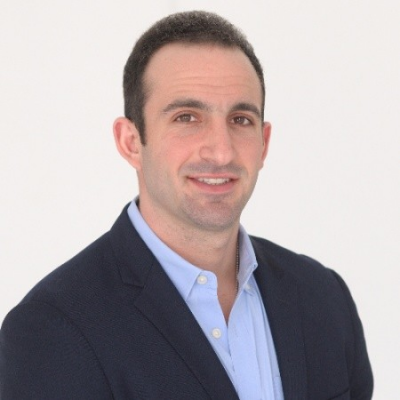
Matt Suraci
Chief Revenue Officer, RepeatMD
Matt has been an executive leader in eCommerce for over 10 years. Prior to joining RepeatMD, Matt led all of Klarna’s North American commercial functions for over 5 years, taking a new product in a new market from zero to over $20 billion in GMV.
Connect with Matt Suraci on LinkedIn
Presented by Nextech, Aesthetically Speaking delves into the world of aesthetic practices, where art meets science, and innovation transforms beauty.
With our team of experts we bring you unparalleled insights gained from years of collaborating with thousands of practices ranging from plastic surgery and dermatology to medical spas. Whether you're a seasoned professional or a budding entrepreneur, this podcast is tailored for you.
Each episode is a deep dive into the trends, challenges, and triumphs that shape the aesthetic landscape. We'll explore the latest advancements in technology, share success stories, and provide invaluable perspectives that empower you to make informed decisions.
Expect candid conversations with industry leaders, trailblazers and visionaries who are redefining the standards of excellence. From innovative treatments to business strategies, we cover it all.
Our mission is to be your go-to resource for staying ahead in this ever-evolving field. So if you're passionate about aesthetics, eager to stay ahead of the curve and determined to elevate your practice, subscribe to the Aesthetically Speaking podcast.
Let's embark on this transformative journey together where beauty meets business.
About Nextech
Industry-leading software for dermatology, medical spas, ophthalmology, orthopedics, and plastic surgery at https://www.nextech.com/
Follow Nextech on Instagram @nextechglow
Aesthetically Speaking is a production of The Axis: theaxis.io
Theme music: I've Had Enough, Snake City
Announcer (00:06):
You're listening to the Aesthetically Speaking Podcast, presented by Nextech.
Robin Ntoh (00:11):
Good morning, everyone. It is Edge 2026. Welcome to Aesthetically Speaking, Nextech's podcast where we talk about all things aesthetics. And my guest today is Matt Suraci from RepeatMD. Matt, it is so great to have you here with us. Let's get started telling us about who you are and a little bit about this company called RepeatMD that we are excited to be partnering with now.
Matt Suraci (00:35):
Yeah, of course. Thanks for having me. So yeah, Matt Suraci. I'm the company's chief revenue officer. So RepeatMD, we've been around for about three and a half years. We help bring the power of rewards, memberships, twenty four seven shopping into your own mobile app. So for aesthetic practices that are looking to grow, sell more, sell twenty four seven. We help them by building a mobile platform that allows them to do that and give it to them in a white label form so their practices feel rewarded and they can drive the loyalty that they want for their patients.
Robin Ntoh (01:10):
Well, considering this growth in all of the non-surgical care that we have, all the aesthetic opportunities out there, we talk about med spas, we talk about wellness. And then you think about the way people shop today. I mean, Amazon makes it so easy. Where do you find that this has really helped practices at the top level?
Matt Suraci (01:32):
So I take a step back a little bit about myself. I actually came from the world of e-com prior to joining RepeatMB. So the world of digitally native online shopping was sort of how I was brought up. And the one thing you always study is consumer psychology. And over time, especially when e-com was sort of being founded and adopted at scale, you start learning that there's this psychology of a buyer that continues to adapt and adapt and adapt. When the iPhone came out, right? Now I feel like I'm telling a history story when the iPhone came out. That's good. But when the iPhone came out, apps started coming out. Consumer behavior shifted and accelerated like nothing we've ever seen before. And so when the expectation shifted, it wasn't just for the brands and the companies that were doing it. So it wasn't Matt the consumer expects to get things quickly and easily from Amazon.
(02:30):
Matt the consumer now expected it from everywhere. When I push a button, I want my Uber at my front door. When I push my button, I want my pizza delivery there in 20 minutes. And so for better or for worse, society's expectations have shifted that, which ultimately we felt carried over into our world, into aesthetics. And so when we started developing Repeatedy, we said to ourselves, well, surely people want to buy this way, but there was a real gap in terms of practices being able to deploy this offering. And that's sort of the origin of how we came to be. But when we think about practice value, I start with something like as easy as memberships. Again, consumers are conditioned and we're surrounded by it everywhere. Subscriptions with Amazon, subscriptions with Netflix, and we're all used to having them and buying them. And so we wanted to take that same behavior of how people were buying them and saying, okay, what's the best availability and deployment of that for practices to not only make it something that people can buy, but make them aware and make it effective.
Robin Ntoh (03:34):
It's fascinating. We do want everything right now. And so that makes sense that it applies obviously to the luxury healthcare market, which we're so comfortable with. But when you think about practices, let's start with how our practice perceives this. So we have the buyer, we have the consumer, and that's the patient or the prospect in some cases that's really thinking this is a convenience for them. They want it. Who wants to go get their skincare and have to even get into an elevator, go up buy floors, and then have to go purchase it just because they've got a refill.
Matt Suraci (04:09):
Sure.
Robin Ntoh (04:09):
So now we've got this model for the consumers, but for our practice, tell me a little bit about how they think about this and where this fits into their model. Sure. Is your resistance? Do they adopt it well? I know there's a lot that we can dig into there, but let's start with where your high level overview is from a practices lens.
Matt Suraci (04:30):
Yeah. The practice wants to start by thinking and using this as a loyalty and rewards program. The idea is that if I can take your practice that's operating maybe five days a week across these business hours, how can we deploy that at a digital level where it's accessible twenty four seven? Now, the caveat to all of it, and I think we all can resonate with this, is you're not going to download an app just to download an app. So that call to action in terms of driving value to the patient is critically important because that's going to now put them in the ecosystem where the practices brand is surrounding the patient at all times with promotions, with awareness of new treatments, with launching of new memberships. And so getting them in is key, and that's going to be the thing that not only drives the engagement with the patient, but it continues to drive value in terms of LTV, repeat purchase behavior, and increase in spend. So the starting point for the practice really comes down to how I introduce my rewards program and how I get them into that system for the first time.
Robin Ntoh (05:36):
So if I'm a practice and I'm thinking or considering this as one of my options, what is a indicator that a benchmark or a percentage that a practice could expect to achieve in growth, their bottom line from enlisting some sort of loyalty program?
Matt Suraci (05:54):
Yeah. Look, I think there's multiple ways to cut it. Each practice is different in terms of how they're offering memberships, what their service offering is. But ultimately, the way we try to think through the incremental is on average, practices that succeed with Rapunity, they're going to grow somewhere around 22% in revenue in their first year. Now, why is that? Extensive. If you get the people in, the funnel essentially begins, right? X percent are going to purchase, X percent may sign up for memberships. There's a, call it anywhere between 15 to 25% increase in repeat purchase behavior. And then you start layering in things like embedded financing, right? Financing is a great tool. It's existed in our industry forever. One of the unique elements that we built in with our financing embedded as a digital platform, however, is the awareness before the purchase decision's made. And what I mean by that is, again, today a practice may be offering financing and that conversation of if I'm going to use it or if I'm not is likely going to happen at the time I said, "Okay, I want this.
(07:01):
Now let me go buy it. Here are my purchase options." What's really valuable in the world of digital financing and embedded financing on a digital platform is the presentation of purchasing power can be presented before the purchase decision's made. So in other words, I may be in the browsing stage of my journey and I look at something and I say, "Gosh, that is the treatment I've always wanted. That is the outcome I always wanted. Everything's sitting here in front of me, but my goodness, it's $2,000." That today is browsable. It's not viable. But when you have something on the digital platform and you can break it down and say, or today it's as low as, call it $60, $70, that's the thing that's going to influence the purchase decision and drive conversion. And so when we think about sort of the end outcome of how do we get to 22% growth, it's all these things on the inputs within the platform that are helping drive that ultimate outcome of success for practices.
Robin Ntoh (08:01):
So you're reducing the friction.
Matt Suraci (08:03):
Always.
Robin Ntoh (08:03):
You're removing the barrier and making the opportunity absolutely available by taking away that friction. So many things to think about when you talk about the way a practice engages with this. One of the things that I think is interesting from a practice's viewpoint is they're constantly thinking about how they reward their staff for selling.
Matt Suraci (08:27):
Oh, yep.
Robin Ntoh (08:28):
And in a lot of ways, it's based upon their direct action with the customer, with the patient. When you think about the bottom line, you also have to think this could be a margin, a heavy margin improvement for a practice if they're not having to pay an FTE to actually do the selling.
Matt Suraci (08:46):
Of course. Yeah.
Robin Ntoh (08:46):
And so from that lens, I would say there's most definitely more opportunity than just that 22% growth. There's potentially that margin that is going to improve based upon what you're having to do within your business to support it.
Matt Suraci (09:04):
It's such a good call out. I think of things that sound as simple as a birthday text. Maybe you capture birthdays today, maybe you don't, but if that's in your system, is it automated in your CRM? Is your staff doing it? Are they sending a reminder to say, "Congratulates to your birthday, Matt. Now you've earned $50 off your next treatment." Or things like retention offers. And I call these things out because these are key elements that we built into the platform. Retention offers being, you haven't visited in 30, 60, 90 days, set the cadence how you want. I think a lot of practices today that I talk to say, "Well, we don't really have that, but my staff's pretty good at follow up." To your point, well, especially in 2026, the way technology is accelerating, all these things can drive staff efficiency because these are all automations that we built into our platform.
(09:56):
We talk a lot about even our treatment advisors, being able to load in your entire menu of services, your catalog, and in the world of AI have a very healthy dialogue with a treatment advisor that's fully educated not only on your offering, but the tone of voice that you wanted to deploy. So if you're a doctor, and this is the business that you founded, and your frustrations may live with like, "I have staff turnover. I can't get them to say exactly what I want them to say." Frustrations that at some point we all live with. Well, when you deploy a treatment advisor and you say, "This is how I want you to speak about the brand. These are the things I want you to offer and here's the direction that you can go in. " There's never staff turnover with AI. That at least in our early days of knowledge with it, that's one good thing that we have, but you can fully train it to speak in your brand tone to offer what you need to offer and ultimately work for you twenty four seven, which is a great value to have.
Robin Ntoh (10:54):
And you think about who doesn't want to sit home on the weekends and be making money and you're not having to really do much to do it and you're providing convenience for your patients. And convenience I think is a key point of this, but a lot of times practices fail to kind of remember. We get so caught up in making sure that we greet the patient that comes in the door and taking care of them while they're there, but what about the patient's needs when they're not there? And this is a vehicle that basically provides that twenty four seven, as you said. Sure. It also drives convenience or provides convenience, but let's go back to what you said originally, loyalty. This is, I think, where that key component of loyalty is generally understated when you think about a membership program.
Matt Suraci (11:41):
Thousand percent.
Robin Ntoh (11:43):
Because this is where they're going to be more committed, which we struggle with this in practices. They struggle with loyalty. Competition's fierce. There's another med spot opening up around the corner
Matt Suraci (11:53):
For sure.
Robin Ntoh (11:53):
Or plastic surgery practice struggles with all of the med spas that are opening and they struggle to retain those patients and gain that recurring revenue commitment.
Matt Suraci (12:04):
For sure. Well, look, I mean, memberships, it goes without saying why they're so valuable. Recurring revenue is king. If you're a business owner and you can have the option of starting each month at zero or starting each month at a very healthy number in terms of your own revenue, which one are you going to choose every time? And that's the beauty of memberships. And the way we always think about it is the concept of a membership is one consideration. And you can find inspiration throughout a lot of different sources now in terms of like, "Hey, how should I structure my memberships?" But there's the offering of it, and then there's the ability of selling and converting the membership. And I think often when I've seen memberships fail across the practice that I speak to, it's often the latter concept that they haven't been able to execute on.
(12:51):
Because at a starting point, membership starts with awareness in an audience. So again, I can construct what I believe is the world's best membership program. If no one knows about it, what good is it? And so that awareness piece is so key as a starting point. People are only going to buy memberships in businesses that they trust and have developed a relationship with.
Robin Ntoh (13:12):
You said it well, they do. They need that relationship relationship. We talk about in selling all the time, relationship is a key component of it. And maintaining that relationship, it's very easy to tear down those relationships and practices, but I think that a lot of times bridging the gap between point A and point B is where we forget. Once you can do a great job of the construct around a relationship when they're in the practice, but there's so many influences out there. Now we've got digital media that is definitely driving a different level of engagement and a different level of awareness that's coming from so many different sources. How does a practice compete with that? I think that this is another way to think about competing with that because once they're committed, then you now drive a different way of engaging with that patient. I also think about the fact that one of the things that is unique about your business is not just the fact that you offer memberships and that it's very easy for a patient to sign up for it, but you also build that layer of connection in there.
(14:20):
You offer the education about the different treatments that a practice has. You provide an advisor that gives them more context around it.
Matt Suraci (14:27):
Yes.
Robin Ntoh (14:27):
All things that a practice doesn't have to do.
Matt Suraci (14:30):
All of it. Yeah. And look, the constant iterations of it to think of like, well, what would the patient want? We always, internally, one of our core values is lead with the patient. The patient should be the customer and everything should be patient first in terms of that obsession because we know if they'll love it, that will carry over to practice value. And even when we think about memberships, again, it's like, okay, there's the offering of it, but how do we think about the description? Are we being thoughtful in terms of showing the savings that you're getting? So if it's a tax membership, what's the standard price and what's the membership price? But then there's even going even a level deeper of even thinking about signup rewards. So am I rewarding my patient because of saying, "You've chosen your trust in me and signing up for our membership. Here's something you're going to get right off the bat." But then also thinking about everyone's favorite conversation around retention and churn, right?
Robin Ntoh (15:24):
Correct.
Matt Suraci (15:25):
Is this patient going to be here in six months? Well, how do we think about that in the form of milestone bonuses? Should I be rewarding my patients because you're staying with me and a loyal customer? The answer is a thousand percent yes. And you want them to do it in a way that is accessible, understood, but also something that they're actually, they themselves are sort of gamifying and saying, "Ooh, I can't wait to get to my sixth month because I get my membership bonus and that's going to be X, Y, and Z." And that's where we work closely with practices and saying, "Okay, what are the goals? What are the high margin services that you want to cross upsell into? How do we potentially bake that into your membership strategy?" And ultimately on retention, how do we think about something like a milestone bonus so that they're staying with you long term? And even pricing strategy becomes such a critical thing. You brought the point earlier, it's gotten so competitive and people are opening up next door and well, your first instinct as a practice may be, "Well, I have to reduce my prices because this person came in and lowered their prices." Memberships can help with that where you don't have to feel like you're constantly discounting.
(16:32):
Member pricing, again, I'll go back to my e-comm days. Restoration hardware, it's a beautiful furniture brand that most people love, but all people think it's way too expensive because it is, but it's beautiful furniture. They have this similar concept, member pricing where it's like, it's a beautiful piece of furniture, it's $3,000, but members get it at X percent off. Now, it's subtle, but it's really important because in the world of a luxury brand, as we believe all of the practices that we work with are, you're not necessarily discounting, but you're repurposing that into member benefits and member pricing. So now what I've done is rather than say, I'm running a promotion and my treatments are 15, 20% off, whatever the number is, now instead what you're saying is if you sign up as a member, you get member benefits and member benefits equal this number.
(17:30):
So you're capturing the recurring revenue, but you're also rewarding the user by saying, because you're a member, you get this benefit. And again, that becomes like a repurposed marketing pricing strategy, but all this needs to be considered and taken into consideration when thinking about your membership strategy.
Robin Ntoh (17:48):
So when we think about the practices and how they consider this, one of the things in Nextech is that we serve several specialties in the aesthetic arena. MedSpas, of course, is one of them, but we work with plastic surgery practices, dermatology practices. We even have ophthalmology practices that actually have their version of what they consider recurring revenue with this. Some of them have those med spas as well. But from a practice perspective, when they're looking at this, and I often hear this from the plastic surgery practices, memberships, they feel like cheap in the brand, but there's so much more to this program on memberships. And I think that if practices consider how they frame it and not necessarily frame it as a membership, but more as a loyalty program or something that is providing convenience for their patients, something that is not creating more friction for their staff, creating more efficiency. And of course, providing that revenue at the bottom line, obviously.
Matt Suraci (18:54):
There's so much strategy baked in. Even I know some of our clients today, what they'll do is say, "This is our VIP app, this is our VIP program, and there's only certain things that we offer that are going to be available there." So it's a way of really getting them in. Now, we talk about memberships. Well, how do you frame it? How do you brand it? It could be a VIP subscription, right? There's a thousand different ways that you can brand it that sort of puts you on the level that you want to be. We talked about discounting earlier from member benefits because you don't want to frame it as discounting, but you want it to be a member benefit. And it's, to your point, a VIP and loyalty program. And so there's a lot of ways to think about it. And what I would really encourage practices to consider again and really lean into is you do have to meet the patient where they're at.
(19:43):
And again, the patient in this case is the consumer. And like we talked when we kicked things off is, this is just how we've all sort of been conditioned and have an expectation of this notion of almost instant gratification. And we have to lean into it because if not, the fear is that your competitor may be doing it.
Robin Ntoh (20:03):
Well, you just said it. The competitor's going to do it. And we know that the number of med spas probably far out numbers the number of plastic surgery practices. So for plastic surgery practices, if they're not going to offer the program, whatever we call it, and we can steer away from the word membership, but at the end of the day, people will buy. And the question is, where's it convenient for them? Where are they going to get the most offering? And who's going to be the first to offer it up?
Matt Suraci (20:36):
And again, at the end of the day, if you can win the patient, you win as the business.
Robin Ntoh (20:40):
Exactly.
Matt Suraci (20:40):
And if so, if we can all think about coming together and being that patient obsessed, 10 times out of 10, you are going to win it. And so I would really encourage practices to strongly reconsider their perception of it, but also really encourage the thought of you can be very flexible in terms of how you want to offer it. Even if it's by signing up for a membership, you can get some sort of redemption on skincare or you can get access to something within your community. You can get very creative in the way that you do it. And I find that those that bring in community, bring in the awareness of broader menu items, whether it's treatments or even physical goods like skincare, I find those are the ones that are doing it exceptionally well. And quite frankly, it's giving them this unlock for them as business owners of like 30, 40, $50,000 a month is your starting point when it comes to membership.
Robin Ntoh (21:39):
Think about a physician that says, "I'm going to go on vacation for a week or I'm going to go to a meeting for the next four days." They're not doing surgery. They're not generating revenue. This is a great way to think about how they're continuing to generate revenue.
Matt Suraci (21:51):
Yeah. And across a variety of different practices, we've seen the beauty bank thrive over the last year or so because some of the, maybe the initial objection is like, well, are there enough patients that want to do my treatments and come in at a cadence of every 30 days? That answer may not always be yes, but the notion of something like a beauty bank where I'm creating loyalty with my patient by saying, "Put your dollars towards the practice." You'll not only be able to pay it towards whichever future treatment you want to redeem it towards, but more importantly, I'm going to reward you for it because this isn't just an exchange of give me money. If someone can pull that one off, tell me where to start a flat business. But again, the idea of the repurposing of the membership in that form can actually drive a ton of value.
(22:42):
Again, some people may not want to finance something as an example. So if you offer a beauty bank, pay towards it and then redeem versus financing. And then again, financing's great. We're seeing a ton of people do financing, but every patient's going to be different. And if you can give them enough of the optionality, you're going to have a better job of converting and a better job of where we started this conversation of growing your business.
Robin Ntoh (23:06):
Let's step back and let's define the different types of membership or loyalty programs. Let's start with, so there's the beauty bank.
Matt Suraci (23:13):
The beauty bank, the tox membership, there are member benefits, which one of my favorite, again, sign up and come a VIP or an X percent off. That one's great because you can do it at tiers, right? So you can do a gold, a silver, a bronze. So you can have tiers with it, but that one is easy to deploy, easy to understand, and I think very much adopted across not just our industry, but again, something that the consumer is very much accustomed to.
Robin Ntoh (23:44):
It also doesn't feel as much like a membership. It feels more like a subscription.
Matt Suraci (23:49):
Bingo, right? Because when you think about member benefit and that type of membership, it's almost access that you're buying into access and you're being rewarded for all those things. And I've seen them even deployed at, again, access to certain treatments or certain skincare brands. You can get really creative once you've developed the way of how you want to give the access. And so when I talk to practices all the time about doing that, it's like a light bulb goes off because it's like, oh wait, and I can only make this available for this and I can create real urgency and exclusivity around this. And again, it's like I love seeing it because as a marketer, your light bulb goes off immediately and you're saying, "I've been trying to push this thing, but now I can do it in the form of this loyalty or subscription program."
Robin Ntoh (24:39):
Right, right. Well, think about it. I am not a member. I don't have a membership program with Delta Airlines, but I fly Delta Airlines all the time. I'm very loyal to them and my loyalty is paid back in spades because I've achieved a status with them and they benefit me. They don't give me cheaper airline tickets for sure. When you live in a hub city like Atlanta, it's not cheaper to fly the main airline.
Matt Suraci (25:05):
I wish it was.
Robin Ntoh (25:06):
But they reward me in different ways because I continuously am loyal to them. So they provide different levels of membership. So they'll upgrade me to first class or they give me boarding privileges or access to an exclusive lounge. Things that I really enjoy because it's also very convenient for me because they make it easy. I get through security faster because of the opportunity that they provide for me. So those things are very meaningful to me and they make a difference in my life and make things easier for me. Whereas I think patients want the same thing.
Matt Suraci (25:40):
They do.
Robin Ntoh (25:41):
And they want that convenience factor. They want something to be easy and no criction. And so the things that you're talking about aren't just something that is a membership you set up. It's the connectivity-
Matt Suraci (25:53):
Correct.
Robin Ntoh (25:54):
... within all of it that really makes it very important for a patient and very, in your words, exclusive in many ways that as they continue to show their loyalty to the practice, the practice rewards them in so many different ways.
Matt Suraci (26:09):
So many different ways again.
Robin Ntoh (26:11):
And it doesn't cost the practice generally.
Matt Suraci (26:13):
Exactly. And even the idea of, okay, well, if I'm sending someone a reward on a retention offer, because it's been 90 days, if we think through the idea and the cost, we start doing a cost analysis on what is my cost on acquiring a new patient versus my cost of reactivating an existing patient.
Robin Ntoh (26:36):
Well, it's five to seven times more.
Matt Suraci (26:38):
Great. And now cost of, let's say a reward that maybe it's $20 off your next treatment or X percent off skincare, whatever it may be, you start doing the math on the cost of that, of reactivating and likely what comes with that is, I'm here to buy this, I'm also going to buy this, this and this versus, and this is the, we constantly, even in our sales world, we always think about more and more and more, and then you realize-
Robin Ntoh (27:05):
Photo always goes up, right?
Matt Suraci (27:07):
Right. You have this lovely client base here. How do we tap into that?
Robin Ntoh (27:11):
Exactly.
Matt Suraci (27:12):
And it's no different the way we should be thinking about it, but to your point, it's five to 7X more expensive and by rewarding them, you're ultimately having them come in, increasing their spend, spending more frequently. And once they get on the membership plan, obviously driving that recurring revenue.
Robin Ntoh (27:32):
Let's talk about one of the favorite things that I found about your program, one of my favorite things, Skin Drop.
Matt Suraci (27:37):
Oh, my baby.
Robin Ntoh (27:39):
I love this program.
Matt Suraci (27:41):
My baby.
Robin Ntoh (27:41):
So I'm going to let you ... I'm not going to steal your thunder. Why don't you tell us about it?
Matt Suraci (27:45):
So to give some history, Repeatity was actually founded as a mobile rewards app. So we actually didn't have the concept of buying early days. It was this idea of if I can reward people or patients when they come in, I'll drive them in more frequently, I'll reward them, practice benefits, patient benefits, we all win. Then this concept of commerce, e-commerce when I joined was like, okay, how do we drive payments into the world of not only memberships, but just one-time payments and obviously financing. And that was sort of the next evolution of what we did. But I always knew that I needed to complete this story, which was this idea of not only selling memberships, not only selling treatments and services, packages, how do I sort of complete this story with the tangible items like a gift card or skincare? And so enter Skin Drop in October, we have been developing this program for a long time, but the conversations we were having with practices kept being around this idea of, okay, I have my inventory, but it expires quickly, or I want certain inventory, but I can't get access to it.
(29:02):
Or right now, putting tens of thousands of dollars down is more of a challenge than I'd like it to be. So that was challenge one. Challenge two was, even if they come in and buy my skincare, what's happening back to the convenience factor is my patients are just going somewhere else and buying it. Why? Because Amazon, right? Why? Because they can do it from their bed at nine o'clock at night.
Robin Ntoh (29:27):
Exactly.
Matt Suraci (29:28):
I forgot to get that.
Robin Ntoh (29:30):
Case and point all the time.
Matt Suraci (29:32):
And so as we thought about it, we said, "Well, there needs to be a way to actually have practices be a part of this upside that we know patients are buying by." So we developed Skin Drop. What SkinDrop is, is essentially access to a full catalog of over 50 medical grade skincare brands. We're talking over thousands of SKUs that each practice that signs up with RepeatMD gets access to. So practice can pick and choose Any of the brands that they want to participate in or select and simply selecting the brands you want, the SKUs that you want, the catalog is fully accessible to the patient in their app immediately. Now, the benefits extend a little bit further because not only is it a catalog they have access to, there's no inventory purchase at all. So on the fulfillment side, it's all ran on our end. And ultimately when the patient chooses to buy, rather than having to worry about fulfilling wholesale, going to the practice, buying it, hoping that they can sell everything before it expires, it drops ships directly from the fulfillment center to the patient's door and allowing, again, the convenience side for the patient and for the practice to get a very healthy rep share by simply just making the catalog accessible.
Robin Ntoh (30:50):
Exactly.
Matt Suraci (30:51):
So we launched in October. It's been amazing. Practices love it. Patients love it. Again, we talk about delivering the convenience. They finally can do what they want to do is buy it conveniently. But also, I think they like when they can give it back to their practice as well. So it's been an amazing launch and there's so many more iterations coming with introducing a skin quiz, introducing recommendations. Yeah. Don't tease us with this stuff now. It's really exciting.
Robin Ntoh (31:19):
Yeah. I'm so excited about this because you are absolutely right. Driving that convenience back to the patient, but also making it easy for the practices to not have to manage inventory. I'm telling you, one of the biggest problems on practices is they do not reconcile their inventory. And there is money walking out the door all the time.
Matt Suraci (31:36):
1000%.
Robin Ntoh (31:37):
So this is a great way for practices to expand their offering, make it convenient to patients, reduce their cost, not have to count inventory. I don't know why people wouldn't want to do it. I keep going back to practices have to find the wins in these small but very significant offerings. And that connectivity that comes with an offering like RepeatMD. And then the connection that we're now building the bridge between NextTech and RepeatM, you offer this full suite of patient access that for many practices is something that they have to do manually now. And so I'm very excited about this connection that we're building for our practices. And I'm excited that this is a brand that we feel completes everything with respect to that patient access. Something that you could piecemeal in many ways, but the fact that it offers that connectivity is really part of what ... Practices talk about their tech stack.
(32:42):
They talk about all the different logins, all the different things that they're having to manage. This is one platform that provides all of that access to the patients and sells for them without them having to do a lot of excess work to actually do anything.
Matt Suraci (32:56):
Well, I'll bring it back to my e-comm and retail days and why. And I'll second the excitement we have on the partnership is the concept of omnichannel. We spent a lot of time on this talking about your digital footprint and deploying on digital and app and people buying twenty four seven. But a digital strategy only works if you have a physical strategy. That's right. And when you think about all the great things that you guys do and the success you've been driving patients or practices for years and years and years now, 25 plus years. Bringing the things together is the only way to deploy the strategy. Because if you're great at your digital strategy, if you don't have a physical one or vice versa, there will be gaps and there will be holes. And so this partnership, this relationship we're developing, why I'm so excited by it is just like, it's taking the two strengths of both and bringing them together for that full ecosystem and that real true concept of omnichannel, which is so key because when you can crack that, you really have so much potential as a business.
Robin Ntoh (33:58):
When you think about onboarding a new practice, something that we often hear is implementing a new program takes time, it takes energy. Staff are already burdened with so many different things. And we know that staff turnover is always a problem.
Matt Suraci (34:13):
Always. Yeah.
Robin Ntoh (34:14):
And you said something earlier that I really, really thought was important to tease out, which is you make things repeatable, no pun on words, because you're not having to put things in place that the staff augment, okay? Meaning they don't change it by conversation. It really is built into the system to do that level of communication, to train the patient, to teach the patient in so many ways. But when a practice implements this, let's talk about what does that mean to the staff as far as having to learn the program, learn what they need to do and really get it started?
Matt Suraci (34:54):
Yeah, it's a great question. Look, my reflection on software in general is software needs to make your life easier or it shouldn't exist.
Robin Ntoh (35:03):
That's true.
Matt Suraci (35:05):
At the baseline, it's like it should not exist if it doesn't make someone's life easier. And so when we think about that on the staff level, that has to hold true. So as an example, like the proper staff permissioning. So for front desk, they know that they only have to do a few clicks to redeem a reward or redeem a membership as an example. But more broadly, we think about the ease, especially the burden that the staff has to face every day of just all the automations that we have, especially on the patient comes. So as an example earlier, I was mentioning, Hey, practice A, what do you do for your patient's birthday? Or what do you do when they haven't come in?
(35:47):
The answer is often, A, nothing. B, we send templated emails or C, my staff does it. And then when I sort of do my layering question on question C or answer C of my staff does it, it's like, "Well, what's your policing of that? What's the oversight of that? " It's like, "Well, we just trust them." Okay, well, you just told me that you have high turnover and you're telling me you don't have really a system where you trust them. Can we help with that? Not only you, the owner, but the staff, because they have a million things going on too. They have a line at the door of patients that are coming in, they're answering the phone of new patients that are trying to come through. There's probably inbound leads on the website and they're probably working out of a different system that they're trying to come through.
(36:30):
I know we love our staff and I know we're going to push our staff hard, but we got to call a spade a spade and say that's too much. They're working out of too many systems. And so when we think about how do we help them, it's like, well, the things that are driving your business, rewarding your patients, nurturing them to come back, well, what if we can do it in a way where it's all automated and they only have to be on the receiving end of when something happens? That's the way we try to think about continuing to support that.
Robin Ntoh (36:56):
So have you done a study that shows where staff retention is improved and practices?
Matt Suraci (37:04):
We haven't. That's a great question.
Robin Ntoh (37:05):
I think that we should look at that.
Matt Suraci (37:08):
We should, but I will tell you, it's a qualitative data point, but if we take pride in it, we have our sort of repeated staff member fan base and we've seen, even if they have left, it's like their first call is always, "I need my business owner. I need my practice owner to get this in because it makes my life so much easier."
Robin Ntoh (37:34):
Absolutely. Easier and more money.
Matt Suraci (37:36):
And more money, more importantly.
Robin Ntoh (37:37):
So if you had a crystal ball, where do you see memberships in a year, five years?
Matt Suraci (37:47):
That's a fully loaded question. So I think when I think about memberships, it's in the realm of memberships and loyalty and I'll answer it sort of broadly and we can go more specific from there. I think first is memberships started in sort of a static cadence. In other words, it was like, it's a membership, it needs to be in X number of days. It's 30 day membership, it's monthly membership, that's it. We've since seen the evolution of, okay, every two months, every year. So the cadence has evolved and where I think it may be going, if it's all treatment dependent, is full and customization with regards to like, what does that cadence need to be? Can it be biweekly? Can it be on a 45-day cadence? When you start thinking through the different memberships that have done really well, like weight loss memberships as an example, the cadence and the cycle of 30 days or whatever maybe may not always be the right answer.
(38:54):
And your limitation on payment mechanics should not be the reason why a membership doesn't work for something that may be needed every six weeks. And so I think the utmost flexibility is an early future state thing that's going to happen. I think more broadly in the world of memberships and loyalty is Omni experience. And what I mean by that is, we talked about Omni earlier, but the ability to buy one place, redeem another place, and vice versa. And so in the form of memberships, I may start my membership purchase journey up here at Repeated B. I see something on the website, I download the app, I purchase. I may then go into the practice and ongoing, ongoing, and six months later I see, oh, I can go from the silver package membership to the gold, tell me more and then take that conversation and purchase physically in practice, but all living within one ecosystem.
(39:58):
And I think this idea of omnichannel in terms of memberships and loyalty is not five years out. We're talking in the next 12 months where it needs to become the norm. But again, the systems need to speak, need to be coordinated because we always need to think about meeting the patient where they're at. And so if they're in your practice, if they're on their bed at nine o'clock at night, we need to be able to meet them where they're at no matter what.
Robin Ntoh (40:26):
Or sitting on an airplane.
Matt Suraci (40:27):
Or sitting on an airplane, my favorite. Now that we have wifi.
Robin Ntoh (40:30):
Our favorite, Yes.
Matt Suraci (40:32):
So if there's two things, I'd say we're trending in those two directions and really important for practices to keep that in mind because again, the patient's going to have that demand and we're going to have to all be able to meet them where they're at.
Robin Ntoh (40:47):
Well, Matt, it was great connecting with you today. And I love that this partnership is just at its beginning stages, so many exciting days ahead for us and excited for you to be part of the Nextech brand.
Matt Suraci (41:00):
We can't wait. We're super excited. And thank you so much for having us.
Announcer (41:05):
Thanks for listening to Aesthetically Speaking, the podcast where beauty meets business, presented by Nextech. Follow and subscribe on Apple, Spotify, YouTube, or wherever you like to listen to podcasts. Links to the resources mentioned on this podcast are available in your show notes. For more information about Nextech, visit nextech.com or to learn more about TouchMD, go to touchmd.com. Aesthetically Speaking is a production of The Axis, T-H-E-A-X-I-S.io.