SEO (Still) Isn’t Dead: How AI is Reshaping the Future of SEO



SEO isn’t dead—it’s evolving, with AI-driven search, snippets, and short-form platforms changing how patients find practices.
Robin Ntoh and MyAdvice’s Chad Erickson talk digital marketing in aesthetics. Find out why conversational, multimedia content now matters more than keyword-stuffed blogs.
Chad and Robin also cover lead management, automation, and CRM tools, showing how smart practices combine technology with a human touch to attract patients and keep them loyal.
Recorded live at the ASPS Annual Meeting in New Orleans.
About Chad Erickson
Since 1999, Chad has consulted thousands of clients on the best marketing strategies for their business. He has founded several marketing companies and is one of the owners at MyAdvice. Chad has a proven record of raising capital, acquiring companies and developing strategic alliances within the industry. He is also a faculty member for many of the top medical & dental conferences.
Learn more about MyAdvice
Connect with Chad on LinkedIn
Guest
Chad Erickson, VP, Sales + Strategy
MyAdvice
Host
Robin Ntoh, VP of Aesthetics
Nextech
Presented by Nextech, Aesthetically Speaking delves into the world of aesthetic practices, where art meets science, and innovation transforms beauty.
With our team of experts we bring you unparalleled insights gained from years of collaborating with thousands of practices ranging from plastic surgery and dermatology to medical spas. Whether you're a seasoned professional or a budding entrepreneur, this podcast is tailored for you.
Each episode is a deep dive into the trends, challenges, and triumphs that shape the aesthetic landscape. We'll explore the latest advancements in technology, share success stories, and provide invaluable perspectives that empower you to make informed decisions.
Expect candid conversations with industry leaders, trailblazers and visionaries who are redefining the standards of excellence. From innovative treatments to business strategies, we cover it all.
Our mission is to be your go-to resource for staying ahead in this ever-evolving field. So if you're passionate about aesthetics, eager to stay ahead of the curve and determined to elevate your practice, subscribe to the Aesthetically Speaking podcast.
Let's embark on this transformative journey together where beauty meets business.
About Nextech
Industry-leading software for dermatology, medical spas, ophthalmology, orthopedics, and plastic surgery at https://www.nextech.com/
Follow Nextech on Instagram @nextechglow
Aesthetically Speaking is a production of The Axis: theaxis.io
Theme music: I've Had Enough, Snake City
Announcer (00:06):
You are listening to the Aesthetically Speaking podcast presented by Nextech.
Robin Ntoh (00:14):
Good morning. We are live here at ASPS 2025 here in New Orleans, and this is Aesthetically Speaking, and I am your host, Robin Ntoh, and I'm excited today to bring to our audience Chad Erickson with Advice Media. Chad, why don't you introduce yourself?
Chad Erickson (00:32):
Thank you very much. As we're here at this ASPS meeting, I'm remembering back that my very first conference I ever attended was ASPS in 1999. So my background has been in the marketing world for practices for a long, long time, and I've seen this space grow up and we're going to talk about SEO today, but as I think back, Robin, I've been in this space basically longer than Google's been around, and so I've been able to see Google evolve and come through this process and see how search has changed multiple times for these doctors and for their practices and for all of us and how we search and how we find things. I'm passionate about it. I love it. A little bit about me had the opportunity to merge my business in with my partner 14 years ago with Advice Media. We rebranded a few years ago and now my advice, but we're continuing to do things that are really around profitable growth for businesses, helping them understand what matters, not getting caught up in vanity metrics, which is actually going to tie into what we talk about today, but we're talking about how we use online marketing with the websites, with reputation management, with social media, with online search, with paid search to drive in the right patients that are going to deliver that profitable growth on a consistent basis, and how do we help them become more efficient? I know those are things that you're passionate about as well.
Robin Ntoh (01:59):
Absolutely.
Chad Erickson (01:59):
We've had great discussions about those.
Robin Ntoh (02:00):
Absolutely. Let's really talk about this subject of is SEO dead? I love this topic, so I'm going to let you kick us off.
Chad Erickson (02:09):
Thank you. So recently there's a lot of topics and people saying, well, SEO is dead and it's not dead. However, this is important. It is evolving and it's evolving quickly. What I mean by that is the term search engine optimization was coined almost 25, 20, almost a little longer than that years ago. And if you think about what it is at its core, it was saying search engine optimization. Well, in reality, we're not actually optimizing the search engines, we're optimizing our content and our sites to be found on the search engines, but today it's evolving. It's become a bit of an alphabet soup. It's not just SEO. There's now what they call AEO, which is answer engine optimization. There is generative engine optimization, GEO, which are your Chat GBTs, your Claude Grok, perplexity, Gemini, as well as part of that with Google, and there's several other acronyms.
(03:07):
So all of these things are coming out and there's a lot of discussion. In fact, I read an article this week that said they're struggling to know what to call it today. And I think that's probably why part of this idea of SEO is dead is coming around is because of the frustration of knowing, what do we call it? I think for simplicity, we can either call it search optimization or website optimization, but search engine is SEO is not dead, but it is different and it's changing. And what has to be done today is different than it's been even six months ago. That's how quickly this is evolving.
Robin Ntoh (03:42):
Like you said, it's changing quickly. What does a business do to actually really keep abreast of it? And to that point, what do they do if they don't? I mean, what happens if they don't?
Chad Erickson (03:53):
Oh my gosh. Yeah. So me personally, I read probably one to two articles a day about what's going on, listen to different podcasts. But yeah, if you're a small business owner and you're worried about your plastic surgery practice, your aesthetic practice, you don't have time to do that. So you have to have someone you trust that's doing this and keeping up to date on those things and pulling out the most relevant parts for you. But if they do not pay attention, they're going to flounder. Give an example. In today's world, well, in fact, recently we've had some of our clients calling and saying, how come my search volume is down? And guess what it is across the board for everybody. One of the reasons for that is search has changed. They have what's called zero click search now. So when you are searching on Google or chat GPT and you type in what you're looking for, it gives you the answer in a little snippet. Everything you need is visible. So they don't actually click on it. They're like, oh, there's the phone number. Oh, that's the answer I was looking for. So now you have to be looking at analytics that actually tell you that I appeared in that no click search area, or you have to look at data that matters. The data that matters at the end of the day is what? It's phone calls, it's form fills, it's online chats, and if those things are growing, you're fine, but don't get caught up in metrics that don't matter that we used to put a lot of value in. They don't matter today.
Robin Ntoh (05:24):
Is there a way that the information is enticing enough for them to drill down, click? Is that the goal or do we want them to be able to just see that initial data and then that in and of itself without the click is going to get them to respond? Is that enough of a call to action?
Chad Erickson (05:41):
It's both. And actually that's a very important question. I'm so glad you brought that distinction because what we want versus what the market dictates are the critical factors. So yes, we would love for them to go into the website because as a marketing company, it's going to give me more empirical data. Now, I do have data that shows, yes, you appeared in the zero click area, and then we're making assumptions again, which is tricky. So I would love for them to click, but the market's not dictating that. The market's saying we're to give people the way they want content, and the public is saying, I don't want to click. I got the answer I'm looking for. So now we back out one step further and say, okay, in order to then accomplish that goal as a aesthetic practice, what is it you need to do to make sure you're showing up in both and you're relevant in both A few of those things, and these are some things that have changed recently, and we can talk about some other future things that are happening. But right now, if you used to have, you're like, I'm just putting out blog articles or I had a bunch of backlinks. They don't really matter that much anymore.
Robin Ntoh (06:46):
Really.
Chad Erickson (06:47):
Now blogs can matter. Somebody caveat that, but a blog article that was 700 words that was like, I'm just going to spit something out that's quick about breast augmentation or tummy tuck or mommy makeover, it's kind of worthless.
Robin Ntoh (07:00):
Really?
Chad Erickson (07:01):
Yes.
Robin Ntoh (07:02):
So no more blogging.
Chad Erickson (07:04):
You want blogs, but the blog has to have deep conversational content. It needs
Robin Ntoh (07:10):
Authentic?
Chad Erickson (07:10):
Authentic, conversational.
Robin Ntoh (07:13):
That's the word we're hearing.
Chad Erickson (07:15):
And it can be a multi-form. So it should be in written form, video,
Robin Ntoh (07:20):
Podcast.
Chad Erickson (07:20):
Video, like this.
Robin Ntoh (07:21):
Yeah,
Chad Erickson (07:22):
Very, very relevant. This is rich content that is going to be found. It can be republished. It feels more natural. This is what is going to help get the rankings. It's going to create a differentiation from practice to practice. Before it was how much it was quantity over quality, still having decent. Now it is high quality. You've got to be able to really give people what they're looking for.
Robin Ntoh (07:48):
It feels like, and this is my simple way of understanding this quite honestly, because it's not my arena, but it feels like the complexities around social media really pushed people to create a lot of unique content. But you still need a website.
(08:10):
Because the social media is here and gone. It's not visible forever. It's not static. And I don't like to call a website static, but a website is static, so to speak when you compare it to digital media. So the websites are still really relevant, but it feels like, and you can tell me if I'm wrong, that the websites and just getting to them is evolving more into what the digital media is, where there's just so many different ways that allow people to get to it. And the landing pages where I think was probably the most relevant at one point, but now the blogging and the podcasting and all of that content, would you say that social media is even as relevant to push your presence up in the search engines?
Chad Erickson (09:02):
Yes. Yes, and yes.
Robin Ntoh (09:03):
Oh, wow.
Chad Erickson (09:04):
So you nailed it. When I think about websites and where they're evolving, they are still very much a part of the ecosystem today, and we don't see that changing. But the way that the information is going to be accessed is evolving. And what I mean by that is, again, going back to those snippets. If on a page, let's say for example, on a breast augmentation page, a doctor has really done a great job of explaining things and it only picks up one little snippet on there. Well, that one piece is what likely is going to appear on the end of the search engines. It's going to appear on chat, GBT and Claude and Grok, and people are going to get that answer from that one piece that's going to answer their question. So they may not need to go to the website itself. They may be able to see what they're looking for.
Robin Ntoh (09:53):
That's discerning, but it's also confusing, but it's also disruptive.
Chad Erickson (09:57):
So websites are going to become a little bit more of a platform based where before we've worried about the aesthetic of it so much, I think the aesthetic part of it's going to become less relevant. It's going to become more about get me the information I'm looking for now still again.
Robin Ntoh (10:14):
Well, the photos are aesthetic.
Chad Erickson (10:15):
They are.
Robin Ntoh (10:15):
And they're your calling card, and they're the one things that people are looking for. So that would still be,
Chad Erickson (10:22):
So it's not all or none. So when people still want to, then I want more, they're going to go drill down. So in that buying decision, they're likely to go in and look at more, but they're going to get a lot of that initial information off of what's there.
Robin Ntoh (10:35):
Sounds like your homepage has to be
Chad Erickson (10:39):
Homepage and every page. Every single day.
Robin Ntoh (10:42):
Complexities.
Chad Erickson (10:44):
Yes. It's not as easy as it used to be, let's put it that way.
Robin Ntoh (10:47):
Okay. So question. How frequently then, should practices be updating content on their website? Is there a difference there now and is it relevant to what you're seeing?
Chad Erickson (10:58):
It needs to be more frequent than it's ever been before.
Robin Ntoh (11:01):
Really Once a month?
Chad Erickson (11:04):
I would say at least weekly.
Robin Ntoh (11:05):
Weekly. How do you come up with, so is that where the blogging is or perhaps maybe a patient story? I mean,
Chad Erickson (11:13):
Yes,
Robin Ntoh (11:13):
It feels like this is not just someone in your practice doing social media, but it's like full-time, just a managed content for your website. It feels like it's
Chad Erickson (11:22):
Exactly what it is.
Robin Ntoh (11:23):
Immense.
Chad Erickson (11:24):
Now, the good news is that there are so many tools that can help with that. All of the searches will allow for AI to help with content that's generated. Now that content still needs to come out in a personal voice. It still needs to have human review. You can't just kick it out and expect it to do everything.
Robin Ntoh (11:41):
You want to think of it like a copilot.
Chad Erickson (11:43):
Yes. And then you want to get into a little bit deeper things. One of the things that Google and the other searches are looking for is can you put the content in list format or include PDFs or now we're actually going back to infographics, so they're looking for more
Robin Ntoh (11:58):
Infographics. Fascinating.
Chad Erickson (11:59):
I know.
Robin Ntoh (12:00):
Wow.
Chad Erickson (12:00):
It's like coming full circle.
Robin Ntoh (12:01):
And we probably have listeners who are like, what's an infographic? They're probably Googling it right now,
Chad Erickson (12:05):
Which is good.
Robin Ntoh (12:06):
Yes.
Chad Erickson (12:07):
And to answer your other question about the social media, social media is an incredible aspect of this. One thing that's difficult for a marketing company to do unless they're really involved in the practice daily is to work on things like TikTok. But TikTok is seeing huge results in the space more than even Instagram and Facebook. Now, those are still part that's out there, but
Robin Ntoh (12:29):
Is it generational or is it just how it's impacting the website?
Chad Erickson (12:34):
It's impacting all search because it is part of a brand. So part of what's happening in search now is how do I make my brand stand out more? How do I differentiate myself? What is unique about me as a practice versus somebody else? What do I bring to the table that maybe is different or unique? What's my calling card? And those things are going to come out in my voice on social media that people read it on reviews, they're going to see it on again, let the blog be more rich. Let them tell a story. Let them really bring an experience to life. So it's evolving. And I've used that word multiple times. I know, and it's relevant though. It's really the best way I can phrase it today.
Robin Ntoh (13:24):
So back to what you had said about using a chat GPT or something to help you develop content. I'm sure that there's practices or people that'll just go out there and just say, give me content, and then they don't review it. They don't think of it as, let it get me started. Is that recognized as being straight up AI content? And does that hurt them if they don't make any modifications or edits to it?
Chad Erickson (13:47):
Potentially, yes.
Robin Ntoh (13:48):
Okay.
Chad Erickson (13:49):
It's a little what I call the garbage in, garbage out principle. And when you understand how chat GBT or any of the AI models work, they have limitations and they can actually even give some false information. They're so desperate to provide you with what it thinks you want. And so you have to be very careful at what you tell it to do. So you want to make sure that you're setting parameters of do this, don't do that. Make sure you include citations. But if you construct a prompt really, really well, it can be great content. I also recommend use it in a muse format. So let it be your muse. Like say, I want to write something about this. What are some of the key topics and things I should be thinking about that are going to help of what people are searching for today? And then from that, let it be your guide. Then as I think about every one of these doctors that's here at this conference, they're all experts. They are all fantastic. They know exactly what they're doing. If they were to simply record themselves talking into the microphone, into chat GPT as though they were speaking to a patient, that is valuable.
Robin Ntoh (15:01):
Now, that's fascinating.
Chad Erickson (15:02):
That content now is in there, and now they can ask chat, chat, GPT to say, review this and make sure that what I just explained is clear, concise, grammatically correct, and give it what you're looking for. Say, make sure you keep it in my tone and my voice, and then watch what happens. Now you've got something magical that is powerful and is going to really grow. If I were doing it well, we are doing this, and I tell my clients do this all the time, we can do it for them, but if they'll do it this way, it's even better.
Robin Ntoh (15:34):
So one would think that, let's talk about a filler. There's only so many ways to talk about a filler. One would think, is this something that you help them think about? What are different ways to talk about content or procedures or even how you manage your patients? I mean, I think that this is where it gets stale, and I think people are just fresh out of ideas sometimes. And so I think social media helps with some of that because they continuously are recording or doing before and after photos. But I think the websites still struggle with that because a lot of times what I've seen with practices is they find it very cumbersome or even hard to make those changes to content. And so it becomes static.
Chad Erickson (16:17):
It does, and it's very boring and it all feels the same.
Robin Ntoh (16:22):
Yes.
Chad Erickson (16:22):
And so my recommendation is if you are the doctor, you know the questions you get asked every single day or on injectables, maybe they're not doing the injectables, but guess who is the nurse? The nurse practitioner, the pa, and the staff is also talking to people all the time. So ask them, what are the top 10 to 12 questions you get asked every single day about, for example, Botox, right? Well, they're going to come back and say, well, what are the costs? What are the risks? How long will it last? How many units am I going to need? And when you start to go through all these lists, these different bullets, that's your content. That's what you need to then answer because that's what people are looking for. Which means if that's what they're looking for, that's what they're typing into search as well, which is fascinating.
Robin Ntoh (17:10):
So let's talk about what's to come.
Chad Erickson (17:12):
Yes.
Robin Ntoh (17:12):
You talked about it at the beginning, so there's a little sneak peek. So give the listeners something to think about as where we're going.
Chad Erickson (17:20):
Okay, perfect. So I want you to think about this as an example. When we think about search, we historically have thought Google, right? Google I think is synonymous with search, but I want to change that a little bit, that anywhere there is a search bar is search. Today, what's going to be happening and what's already taking place is that any of these agentic search engines. So anything that can answer a question is search. So if you have an agent that you've added to your website, that's search, like a chat agent, and those can grow and expand over time. If anyone's asking a question on a search bar, let's say it's in Facebook, Instagram, TikTok, they're searching. That's all search. So that's changing. As far as the evolution, every single practice needs to continue to pay attention to what's called Eat EEAT. This is experience,
Robin Ntoh (18:19):
Not EAT,
Chad Erickson (18:20):
Not EAT.
Robin Ntoh (18:20):
E-E-A-T.
Chad Erickson (18:22):
Yes, we're in New Orleans, so we love to eat. We love the food here, but it's about experience, expertise, authority, and timeliness. All those factors matter and they've got to pay attention to those. So that is critical. Additionally, what's going to be changing is a lot of privacy. People are becoming more and more private about things, so the surgery results are going to be changing. Also on top of that,
Robin Ntoh (18:48):
When you say privacy, are you talking about patience?
Chad Erickson (18:52):
I'm referring to the cookie tracking within websites, you and I are going to have more control over what we allow the search engines to collect on us and see and not see. By doing so, it makes it more difficult for marketing companies or for if you're the doctor with your website to get all the information you're looking for. We used to be able to get all kinds of information and probably rightfully so, that is now being protected. The consumer is being protected. So more difficult, but probably the right thing, if you get what I'm saying.
Robin Ntoh (19:26):
No, makes sense. Makes sense.
Chad Erickson (19:26):
But that's going to be a challenge to know that. Additionally, as far as the future goes, we've got to just continue to get better at understanding what matters. So you still need to pay attention to things like your site speed, how fast, meaning how fast your website loads, how quickly does the relevant content show up. But again, it's about creating this unique differentiating content that's going to be written video and voice. If we can do and have the practices do more of those three things like a podcast we're doing today, that is great content. If they get onto places like Reddit and social media and now their voice is being shared, otherwise that brand is going to grow. So that's a lot of what needs to happen. There's so much that's out there, we don't fully know it's changing so quickly, but it feels like if those are some things that are going and I don't see that, that's going to change, but the way people search will probably evolve within that.
Robin Ntoh (20:24):
So how important is it for a practice to lean into using a company that actually knows this industry? Honestly,
Chad Erickson (20:33):
I honestly think it's critical. And whether it's with my advice or some of the other companies, there's some other great companies here. I think it's having someone that has experience in aesthetics. This is a unique market and understand the consumer mindset and being able to be truly that guide for them, I think is critical. So not only bringing the technical expertise, but also bringing just relevant industry knowledge, I think is important. So yes, so whether it's with us or a Studio three or an influx or a Rosemont, again, they're very good companies, do your homework, but make sure that they understand these concepts we're talking about today, that they're very in tune with it and they're keeping up to date with the latest practices.
Robin Ntoh (21:16):
Let's shift gears and let's talk about data. We're passionate about this, and this is where I think the rubber hits the road. It's critical. You build the website, you gain these leads, but then we don't do anything with them. And for years, practice has really just focused on managing the leads that were phone calls. Because they felt that those were the actual prospects that they felt would be the better candidates, or they were actually more likely to come in for a consult because they picked up the phone. That's not the case any longer. I mean, we think about aesthetics really lives in many different specialties, and we think about the top ones. So there's plastic surgery and then there's dermatology, and med spas are definitely part of this.
(22:02):
I mean, there's more than 10,000 med spas out there. It's definitely more than there are in plastic surgeons. So we know that there's a lot of competitiveness in this. So we know that every lead counts. The question is, are practices really focusing on that and are they using the right tools to capture that information? And then are they actually going back and looking at it? I would argue that 95% of practices have no idea. They don't even look at that data or do they understand it to really know what to do with it? What do I need to work on in my business? I know that this is critical with CRMs, this is something Nextech has really focused on because the market has basically gotten a little soft. We hear that revenue's down, we're very competitive. How do I actually focus on my leads, but be efficient?
Chad Erickson (22:52):
Yes.
Robin Ntoh (22:52):
And so you don't want to hire 10 more staff members to manage every digital lead. You want to really focus on those drip campaigns, but at the end of the day, it's not just managing them, but it's having the insights, the dashboards, but also understanding what's working and what's not working so that you know how to go back in and correct that. Tell me a little bit about where you focus on that in your line of business.
Chad Erickson (23:19):
Absolutely. So historically, we've focused a lot on the top of the funnel, bringing the client to the front door. And what I mean by that is let's get the phone to ring. Let's get emails coming in, let's get the chats coming in. And we like you've recognized the need that we've got to do more. These practices, they lack efficiency. They lack a lot of business acumen. They're brilliant at what they do and they're passionate. And I, speaking of med spas, entrepreneurs, great, but they become their own worst enemy at times because they just sometimes lack a lot of that business acumen.
Robin Ntoh (23:54):
Well, they're providers.
Chad Erickson (23:55):
They are. And they're talented.
Robin Ntoh (23:57):
They're not trying to be managers.
Chad Erickson (23:58):
They're artists. That's
Robin Ntoh (23:59):
Right. And
Chad Erickson (23:59):
They are scientists at times. But what we're seeing is that we need to help them walk through that and how to answer those questions. And so we've generated, we developed a lot of AI to be able to help with that, help them be more efficient, help them understand that. And a lot of things that I know that you and your team have been working on is phenomenal because they need to become more efficient In today's landscape. It is all about how do you increase efficiency without increasing overhead, and by then being able to manage the lead all the way through is important. But you and I both know that, like you said, 95%, and I think you're right on that number. A lot of the practices, they just don't have a good system and process in place to be able to make things happen. So what happens very little, these leads come in and they don't have a good way, and to the defense of the front office staff, the phone is ringing, someone's walking in and leads are coming in, and they're balancing a lot of things. So if you're a practice owner, the question should be, how can I automate as much as possible and help that person be more efficient? So as a lead comes in, if you can now send an out auto response that is in the voice of the provider that gets out, or we're going to have the ability very quickly, and it exists today, but it's mediocre, call that person up or answer the questions for them and book that appointment. I've heard some of these. They're good. Are they great? No.
Robin Ntoh (25:37):
Still evolving.
Chad Erickson (25:38):
They're close.
Robin Ntoh (25:39):
Yes.
Chad Erickson (25:40):
And I think within the next 12 months, the ability to have an online agent that sounds like a practice, authentic, they can answer all the questions, can do it in multiple languages, is going to be powerful, but it becomes so imperative that they pay attention to these metrics, like you said, in a softening economy and market. And again, there's fluctuations, right?
(26:05):
But the reality is if they pay attention to those details, it's about what lever can I pull? It's about understanding where my profit centers. So they look at it and say, well, guess what? Maybe Botox isn't my most profitable piece, but guess what it's doing? It's bringing a lot of people in. So now have we done a good job converting them over to injectable fillers? So the neurotoxin great. How do we convert 'em? And then how do we get 'em into skincare line? How do we get 'em into maybe a non-invasive laser treatment? Then we built up this trust. How do we get 'em in for a surgical procedure? Right?
Robin Ntoh (26:38):
Well, it surfaces a lot of opportunity that practices may not lean into, and that insight is critical for them to continuously think about how they evolve and build their business. It's sitting right there in front of 'em and the data's showing it to them. But you've got to collect the data to get it.
Chad Erickson (26:54):
You have to have it. You have to know the data, and you have to know what it means. And if they don't, then if I'm a provider today, come in with a humility that says, I don't understand this. Will you teach me? And I know you will. We will want to hold their hand to make sure that they understand it. They should be able to, on a Saturday night in their living room with a glass of red wine, sit down and be able to pull their metrics and see what's going on, look at staff performance, see how quickly do we get to leads and set expectations and then have accountability for the staff of like, this is important, is where we want you to focus. And this is what needs to happen. And if they will take that approach, they will watch that. It doesn't matter what's happening in the market. Because if they are the first to respond and they're getting to people quickly with the right answers, they're going to stand out from the crowd because a lot of people, like you said, are not responding. So be the difference. Show them that you are the unique one that cares. And you're going to watch that. You're going to be like, I don't know about a downturn or softening the economy. We're busy all the time. If they're paying attention to the numbers.
Robin Ntoh (28:00):
Well, I go back to do they have time to pay attention to it? Are they getting the right advice? And this is, listen, 10 plus years ago, next Tech asked me to launch a consulting division, and it really was around optimizing the use of our products and really leaning into the data. And it's not necessarily, IT partners well with companies like yourself. Because we uncover what the data is and whether the data is actually the right data. And then that provides you the context to work through the strategy, prioritize what you need to do, and then focus on where a practice can really use those levers to lean in and build their business. And those are the things that I think are really going to make a difference in the future, especially when we think the landscape is so competitive these days. How do we actually know when we've got those opportunities? And so this is relevant, very relevant in today's business.
Chad Erickson (28:56):
Well, and I agree and everything that you're launching with Nextech and that I've seen this evolution and I had the opportunity to demo what you have coming out, Robin,
Robin Ntoh (29:05):
It's exciting.
Chad Erickson (29:06):
It is really exciting because what it does is it closes the loop. You now take a lead at the top of the funnel that comes in, has now been acquired, and now be able to over time track it to one of the most important metrics that I see, which is lifetime value. So you and I have had this discussion, so we talk about what we call cac. So we're going to get some business terms. So your CAC, so your cost per acquisition, and as you look at that, what does it cost for a lead? Maybe it's a hundred dollars, maybe it's a thousand dollars, maybe it's 500. Let's say it's $500. Somebody could say $500 to get somebody in my door. That seems like a lot. Well, it's an average over the number of leads you have, but does it matter? Because if your lifetime value, which off the data that we've run, that's from A SPS asaps and other organization shows that an aesthetic patient, surgical patient has a lifetime value of between 85 to $120,000. That's not even including the people that they will refer over.
Robin Ntoh (30:11):
Exactly.
Chad Erickson (30:11):
That's a whole different conversation. Exactly. We can talk about that in a minute. But that is simply them. That is over time, just Botox, injectable fillers, skincare, laser treatments, breast augmentation, another breast augmentation, a mini facelift, a facelift, a mommy makeover, maybe another tummy tuck.
Robin Ntoh (30:27):
You can build a tree of all the referrals and all that they bring in.
Chad Erickson (30:30):
Absolutely. And so it just grows. But now you
Robin Ntoh (30:34):
But this is where they need the staff to be focused on the people in front of them and not the things that can be done automatically. This is where efficiencies are going to be so critical and where AI starts to help us, but you can't remove the human component.
Chad Erickson (30:48):
You can't.
Robin Ntoh (30:49):
And that's necessary.
Chad Erickson (30:50):
And you still want that human interaction. But you want to do as much tech touch as you can to make them more efficient. Can it answer emails for you? Can it answer some of those phone calls? And I think that very soon, in a very real way, the answer is yes. And then when people come in, can you greet them and welcome them? And it's a receiving room, right? I've heard Grant Stevens talk about that you're receiving them. Don't call it a waiting room. It's a reception. Yes, they want to feel welcome. That's the human touch piece. But what can be automated throughout all the other processes that are out there and practices that embrace this, that figure out how to create systems and processes around it are going to be successful regardless of what the market is doing, because this is what the market's dictating.
Robin Ntoh (31:39):
I love where you are thinking about this and how you've really maintained a level of education and you use this with your customers. And I think that this is of course, very important for our businesses and how they're thinking about what they need to do. And we continue to talk about this forever. Let's close this out and let's tell people where they can find you.
Chad Erickson (32:00):
Great. You can find us at myadvice.com. Also, I live in Park City, Utah. That's where we're headquartered. So if you are a skier and even a snowboarder, we will take you as well. I have a what called Visit me Ski for free. So if you're coming out to Park City at any time this winter, let me know. You can again, Chad Erickson give you my cell phone number, 801-367-7001. Let know, you're coming out. Literally last year, Robin, I think I took 15 different groups, prospects, clients, doesn't matter. I pay for your ski pass to Deer Valley or Park City for the day, and I take you out of the mountain. So come on out, come and see us. But myadvice.com.
Robin Ntoh (32:42):
Thank you. I love it. Well, thank you so much for being part of this today, and we're going to have to do this again because it continues to evolve.
Chad Erickson (32:50):
Absolutely. Thank you.
Robin Ntoh (32:51):
Well tank you to our listeners.
Announcer (32:54):
Thanks for listening to Aesthetically Speaking, the podcast where beauty meets business, presented by Nextech. Follow and subscribe on Apple, Spotify, YouTube, or wherever you like to listen to podcasts. Links to the resources mentioned on this podcast or available in your show notes. For more information about Nextech, visit nextech.com, or to learn more about TouchMD, go to touchmd.com. Aesthetically Speaking is a production of The Axis, theaxis.io.
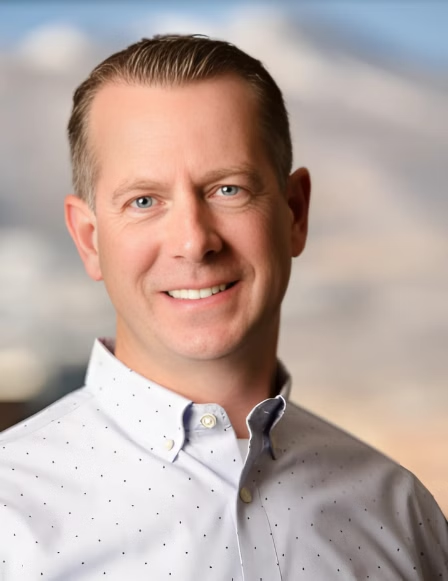
VP, Sales + Strategy at MyAdvice
Since 1999, Chad has consulted thousands of clients on the best marketing strategies for their business. He has founded several marketing companies and is one of the owners at MyAdvice. Chad has a proven record of raising capital, acquiring companies and developing strategic alliances within the industry. He is also a faculty member for many of the top medical & dental conferences.